

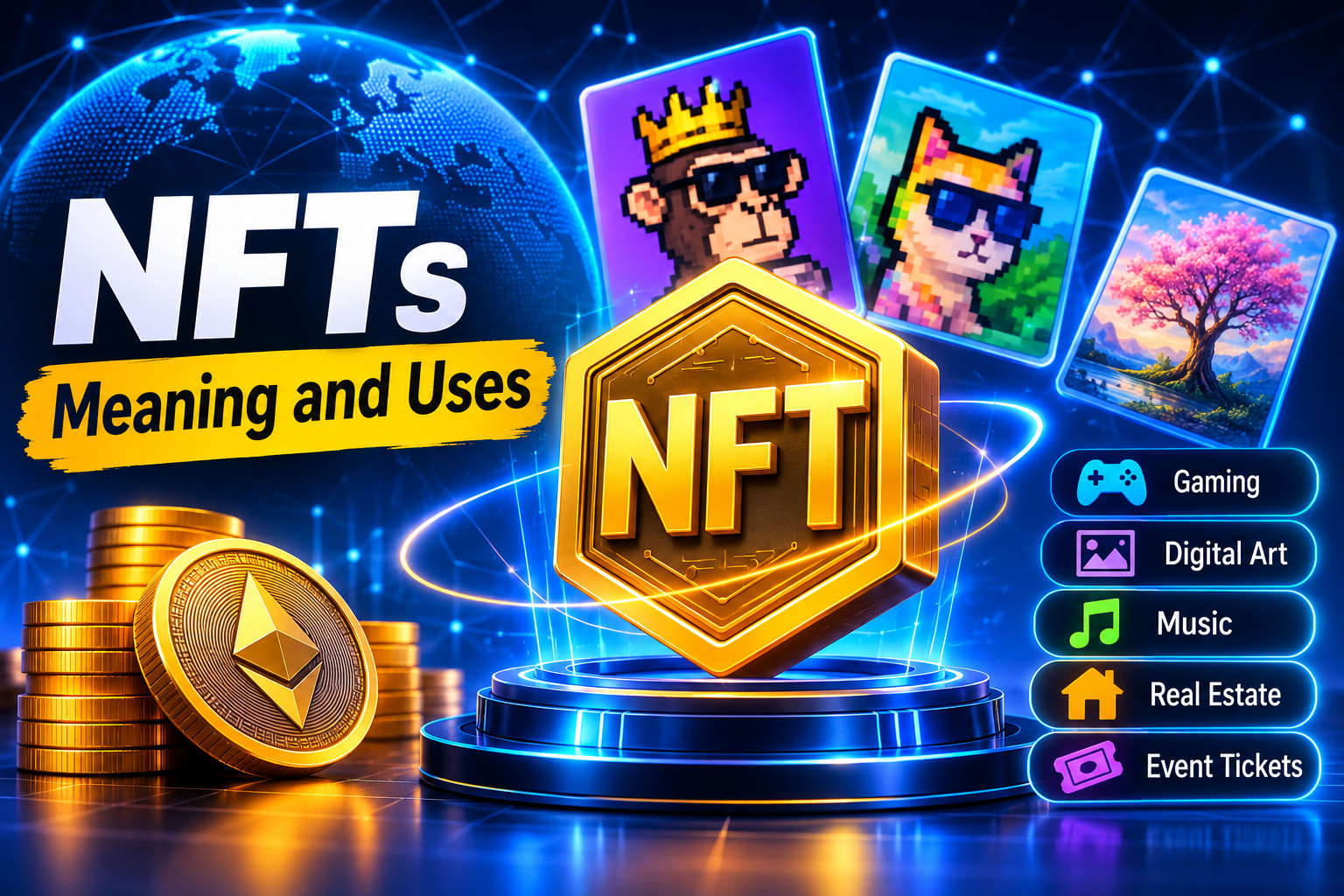

The growth of blockchain technology has introduced new ways for people to create, exchange, and manage digital assets. One of the most interesting developments in this space is the Non-Fungible Token (NFT). NFTs have changed the conversation around digital ownership by making it possible to represent unique items through blockchain-based tokens. From digital artwork and music to gaming collectibles and virtual real estate, NFTs have created new opportunities for creators, businesses, and collectors across the world.
For many years, owning a digital item was different from owning a physical object. Digital photographs, videos, illustrations, and other files could be copied and distributed without losing their original quality. This made it difficult to establish the authenticity and ownership history of a particular digital creation. Blockchain technology introduced a new approach by providing a transparent and verifiable record associated with individual digital tokens.
A Non-Fungible Token is a unique digital identifier recorded on a blockchain. It can represent ownership or specific rights associated with a digital or physical asset. Unlike traditional cryptocurrencies, NFTs are not interchangeable on a one-to-one basis because each token has its own identity and characteristics.
NFTs gained significant public attention through digital art collections and high-profile sales. However, their potential applications extend far beyond collectible images. Businesses and developers are exploring NFTs for event tickets, membership programs, intellectual property management, gaming assets, digital certificates, and real-world asset tokenization.
Understanding NFTs requires more than knowing how to purchase or sell them. It is important to understand their underlying technology, practical applications, advantages, limitations, and potential impact on the future of the internet.
This article explains what a Non-Fungible Token means, how NFTs work, why they are being used today, and what challenges may influence their future development.
What Is a Non-Fungible Token (NFT)?
A Non-Fungible Token (NFT) is a unique blockchain-based token that represents a particular digital asset or an association with an item. The term combines two important concepts: non-fungible and token.
Non-fungible means that something is unique and cannot be directly exchanged for another identical item with exactly the same individual identity. A token is a digital unit recorded on a blockchain that can contain identifying information and interact with blockchain applications.
For example, traditional currencies are generally fungible. One dollar can be exchanged for another dollar because both represent equivalent monetary value. Similarly, one Bitcoin can generally be exchanged for another Bitcoin.
An NFT is different because each token has its own identifying information. An NFT representing a particular digital painting is not identical to another NFT representing a different painting.
NFTs can represent artwork, photographs, music, videos, virtual land, gaming items, digital memberships, and other unique assets. Their transaction histories can be examined through blockchain records, making it possible to verify the movement of tokens between compatible digital wallets.
However, owning an NFT does not automatically mean owning the copyright to the associated artwork. Copyright, reproduction rights, and commercial permissions depend on the legal terms established by the creator.
How Do NFTs Work?
NFTs operate through blockchain technology, which provides a decentralized system for recording transactions and managing digital tokens. A blockchain acts as a shared digital ledger that stores information about transactions in a way that participating network members can verify.
When an NFT is created, a process known as minting, a unique token is generated through a compatible blockchain system. The token receives an identifying number and information that distinguishes it from other tokens.
The Role of Blockchain Technology
Blockchain technology is the foundation of the NFT ecosystem. It records transactions across a distributed network rather than relying entirely on a single central authority.
When an NFT is transferred from one wallet to another, the transaction is submitted to the relevant blockchain network. After validation, the ownership record is updated and becomes part of the blockchain’s transaction history.
This system allows users to examine token movements and verify which wallet currently holds a particular NFT.
Ethereum is one of the most widely recognized blockchain networks for NFTs. Other networks, including Solana and Polygon, also support NFT creation and trading.
The choice of blockchain can influence transaction fees, processing speeds, compatibility, and the marketplaces available to users.
Smart Contracts and NFT Transactions
Smart contracts are computer programs that operate on blockchain networks and automatically execute predefined rules when certain conditions are met.
In the NFT ecosystem, smart contracts help create tokens, establish collection details, manage transfers, and support interactions with decentralized applications.
For example, a smart contract may define the maximum number of NFTs that can be created within a collection. It can also establish information about the creator and specify certain transaction rules.
Some NFT contracts include royalty mechanisms that may direct a percentage of eligible secondary-market sales to the original creator. However, royalty payments are not guaranteed across every marketplace because enforcement depends on the platform and contract design.
NFT Metadata and Digital Storage
Every NFT can contain metadata that describes the token and its associated asset. This information may include a name, description, image reference, attributes, and other identifying details.
The actual digital file is not necessarily stored directly on the blockchain. Many NFT projects use external storage systems or decentralized solutions such as the InterPlanetary File System (IPFS).
This distinction is important because an NFT’s blockchain record and the availability of its associated image or video are separate issues.
A token may continue to exist even if an external website becomes unavailable. Therefore, reliable storage arrangements are an important consideration when evaluating an NFT project.
Why Are NFTs Being Used Today?
NFTs are being explored because they offer a different approach to representing digital ownership and managing unique assets. Their applications are expanding as businesses and developers experiment with blockchain-based services.
Digital Art and Creative Ownership
Digital artwork is one of the most recognized applications of NFTs. Artists can tokenize illustrations, photographs, animations, paintings, and other creative works.
Traditional digital files can be copied easily, making it difficult to establish the history of a particular digital creation. NFTs provide a blockchain-based record that can connect a token with a creator or a specific collection.
This can help artists offer limited digital editions and reach international collectors through online marketplaces.
NFTs also create opportunities for independent creators to experiment with direct distribution models. However, buyers should understand that token ownership does not automatically transfer the copyright or exclusive rights to reproduce the artwork.
NFTs in Online Gaming
The gaming industry has become another important area of NFT experimentation.
In traditional games, players usually access virtual objects through accounts managed by game developers. These objects may include characters, costumes, equipment, collectible cards, and other digital items.
Blockchain-based games can represent selected virtual objects as NFTs. This allows certain items to have ownership records that exist independently of an ordinary game account.
Depending on the game’s design, players may be able to transfer or trade these assets through supported marketplaces.
However, an NFT does not automatically guarantee that an item will work across multiple games. Compatibility depends on the software, platform policies, and technical standards involved.
Music and Entertainment
Musicians, filmmakers, and entertainment professionals have also explored NFT technology as an alternative way to distribute digital content.
Music NFTs may represent collectible recordings, limited-edition artwork, special membership privileges, or access to selected experiences.
For independent musicians, these systems may provide another way to connect with fans and distribute exclusive digital products.
Entertainment companies can also experiment with token-based memberships and digital collectibles. Nevertheless, the success of these applications depends on audience demand and the actual benefits offered to token holders.
Virtual Real Estate and the Metaverse
NFTs are also used in certain virtual environments to represent digital land and properties.
The metaverse generally refers to interconnected or immersive digital environments where users can interact, participate in activities, and explore virtual spaces.
Some platforms use NFTs to represent ownership records associated with virtual land. Owners may be able to develop digital buildings, organize events, display artwork, or create interactive experiences.
The usefulness of virtual real estate depends on the platform’s continued development and popularity. A virtual property may lose practical value if the associated environment becomes inactive.
Different Types of Non-Fungible Tokens
The NFT ecosystem includes different categories designed to represent unique digital items and services.
Art and Collectible NFTs
Art NFTs represent digital creations, while collectible NFTs include limited-edition images, trading cards, characters, and other items.
Their value may depend on rarity, creator reputation, historical significance, community interest, and market demand.
However, limited supply does not automatically create financial value. Collectors should evaluate the actual usefulness and authenticity of a collection instead of relying only on promotional claims.
Utility NFTs
Utility NFTs provide benefits beyond simple digital ownership records.
For example, a token may provide access to an online community, exclusive content, special events, or membership privileges.
These NFTs are designed around practical benefits rather than only collectible appeal. Their usefulness depends on whether the issuing organization continues to provide the promised services.
Gaming NFTs
Gaming NFTs represent virtual assets that can be used within compatible gaming environments.
They may include digital characters, collectible cards, virtual equipment, and other game-related objects.
Their transferability and practical value depend on the rules established by developers and the technical features of the gaming platform.
Event Ticket NFTs
NFT-based tickets can represent admission rights for concerts, conferences, exhibitions, and other events.
Blockchain records may help organizers verify ticket authenticity and track transfers. Smart contracts can also support specific rules about ticket distribution and resale.
These systems may help address certain ticketing problems, although they still require reliable event-management infrastructure and security controls.
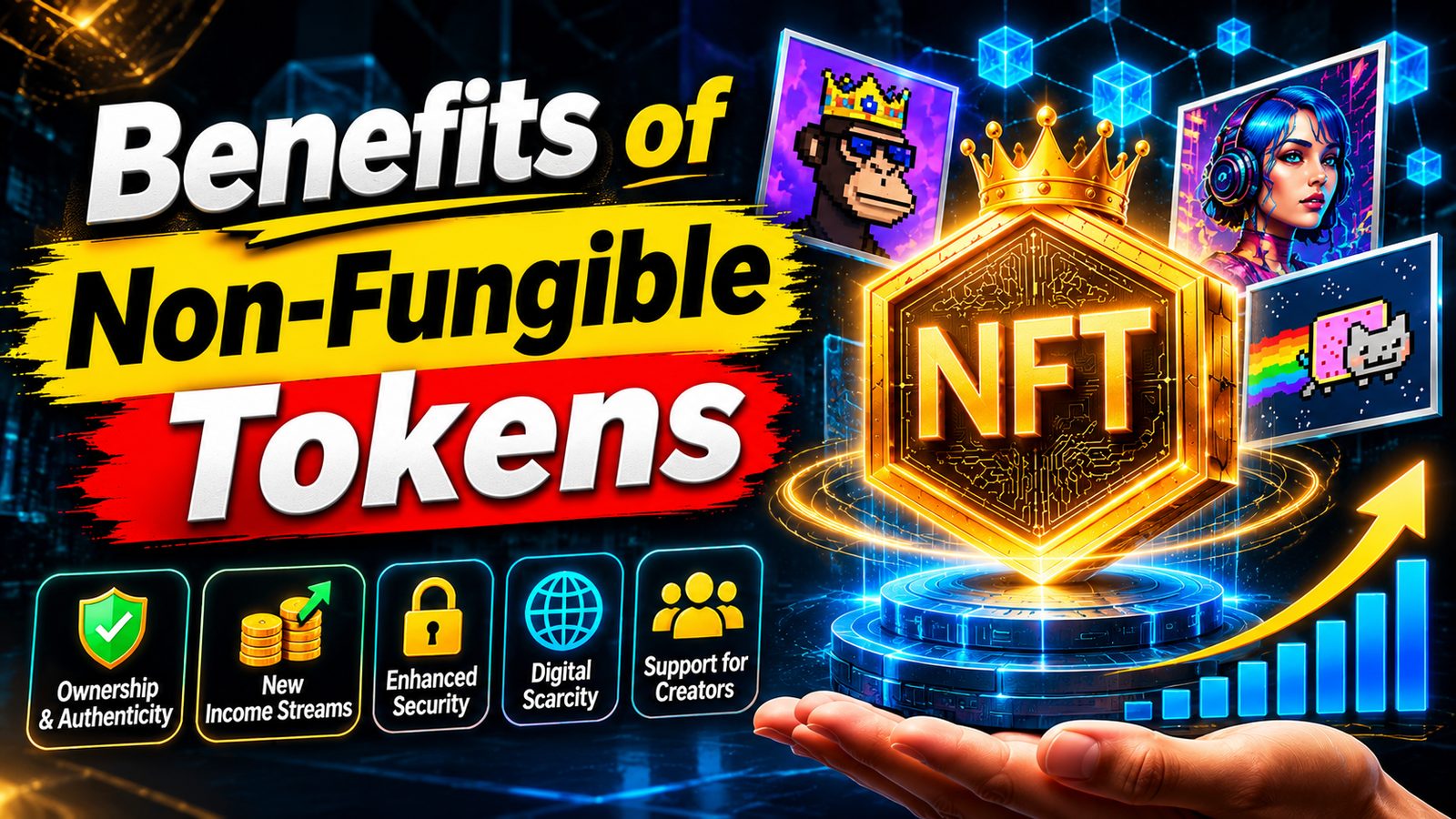
NFT technology offers several potential advantages for creators, collectors, and organizations.
Transparent Ownership Records
One major advantage of NFTs is the ability to verify token transactions through blockchain records.
Users can examine the transaction history associated with a token and identify the wallet currently holding it. This provides a transparent way to track digital token transfers.
Although blockchain records can establish token ownership, they do not automatically prove the legal ownership of the underlying artwork or physical property.
New Revenue Opportunities for Creators
NFTs allow artists, musicians, designers, and other creators to explore alternative distribution models.
Instead of depending exclusively on traditional intermediaries, creators can offer digital collectibles directly through online marketplaces.
Certain NFT projects also support royalty arrangements, potentially allowing creators to receive a share of qualifying future transactions.
Global Accessibility
NFT marketplaces allow people to discover and exchange digital assets through online platforms.
A user with a compatible wallet and access to a supported marketplace may participate in an NFT ecosystem without visiting a physical location.
However, platform restrictions, local regulations, payment options, and internet access can affect participation.
Programmable Digital Assets
NFTs can interact with smart contracts and decentralized applications.
This makes it possible to create tokens with specific functions, such as membership verification, access privileges, or automated transaction conditions.
Such features allow developers to explore applications that go beyond conventional digital collectibles.
Risks and Challenges Associated With NFTs
Despite their potential, NFTs also involve important risks that users should understand before participating in the market.
Price Volatility and Market Uncertainty
NFT prices can fluctuate significantly because their value often depends on demand, popularity, rarity, and market sentiment.
Some collections have experienced high trading activity followed by declining interest. Others may have limited liquidity, making it difficult for owners to find buyers.
Unlike many traditional assets, NFTs often lack widely accepted valuation methods. Buyers should therefore avoid assuming that an NFT will increase in value over time.
Copyright and Ownership Disputes
Copyright issues remain an important challenge in the NFT industry.
A person may create an NFT using an image, song, or video without obtaining permission from the original copyright holder.
Buying such a token does not automatically provide the buyer with legal rights to the underlying content.
Collectors should review creator information, licensing agreements, and marketplace verification details before purchasing an NFT.
Cybersecurity and Digital Wallet Risks
NFTs are commonly managed through cryptocurrency wallets. These wallets may be targeted through phishing attacks, fraudulent websites, malicious smart contracts, and impersonation scams.
If a user loses access to private keys or reveals sensitive wallet information, control over their assets may be compromised.
Using reputable platforms, protecting wallet credentials, and reviewing transaction permissions are important security practices.
Environmental Concerns
The environmental impact of NFTs depends on the blockchain network used.
Some networks historically relied on energy-intensive proof-of-work systems, while others use proof-of-stake mechanisms that generally require substantially less energy.
Ethereum’s transition to proof of stake in September 2022 significantly reduced its energy consumption.
As a result, environmental discussions should consider the specific blockchain rather than assuming that every NFT transaction has the same environmental impact.
Legal and Regulatory Uncertainty
NFT regulations vary across countries and jurisdictions.
Depending on their structure, NFT projects may raise questions involving intellectual property, taxation, consumer protection, financial regulation, and privacy.
Businesses and creators must consider applicable legal requirements before launching NFT-related services.
How to Buy and Sell NFTs
Buying and selling NFTs generally involves using a compatible digital wallet and an NFT marketplace.
A buyer first needs a cryptocurrency wallet that supports the blockchain on which the NFT exists. Depending on the marketplace, the user may also need cryptocurrency to cover the purchase price and transaction fees.
After connecting the wallet, the buyer can explore available collections, review creator information, examine token details, and compare marketplace listings.
Before completing a transaction, it is important to verify the NFT’s authenticity and understand the associated licensing conditions.
Selling an NFT generally involves listing the token on a supported marketplace and establishing a price or auction arrangement. When another user completes the purchase, the marketplace and blockchain process the transaction according to their respective rules.
Transaction costs and marketplace fees vary. Users should review these expenses before buying or selling digital assets.
The Difference Between NFTs and Cryptocurrencies
NFTs and cryptocurrencies both depend on blockchain technology, but their functions are different.
Cryptocurrencies such as Bitcoin and Ethereum are generally fungible digital assets. Individual units of the same cryptocurrency are interchangeable under ordinary conditions.
NFTs are non-fungible tokens with unique identifiers and associated metadata. Each token represents a distinct digital asset or a particular association with an item.
For example, Bitcoin is primarily known as a cryptocurrency, while an NFT may represent a digital painting, gaming collectible, event ticket, or membership credential.
Another important difference is that cryptocurrencies are commonly used for payments, transfers, and blockchain network activities, while NFTs focus on identifying and tracking unique tokens.
Both technologies are important parts of the broader decentralized finance and Web3 ecosystem, although NFTs and cryptocurrencies do not serve identical purposes.
What Is the Future of NFTs?
The future of NFTs will depend on their ability to provide useful services rather than relying entirely on speculative trading.
Developers and businesses are exploring applications involving digital identity, ticketing, gaming, intellectual property, and real-world asset tokenization.
Digital Certificates and Identity
NFT technology may support verifiable digital certificates and professional credentials.
Educational institutions could explore blockchain-based records that allow employers or other organizations to verify qualifications more efficiently.
However, personal information should be handled carefully, and sensitive data should not automatically be published on public blockchain networks.
Real-World Asset Tokenization
Real-world asset tokenization involves representing rights or interests associated with physical or traditional financial assets through blockchain-based tokens.
Potential examples include property-related interests, collectibles, and certain financial instruments.
NFT technology may support unique asset identification, but tokenization does not automatically establish legally enforceable ownership. Proper legal documentation and regulatory compliance remain necessary.
Web3 and Decentralized Applications
NFTs may also become more closely integrated with Web3 applications.
These applications explore decentralized systems that use blockchain networks, digital wallets, and smart contracts.
NFTs can support membership systems, digital collectibles, access privileges, and other forms of digital participation.
As blockchain infrastructure improves, NFTs may become easier to use and more accessible to people who are unfamiliar with cryptocurrency technology.
Conclusion
Non-Fungible Tokens have introduced a new approach to representing and managing unique digital assets. By using blockchain technology, NFTs provide identifiable tokens with transparent transaction histories and new possibilities for digital ownership.
The long-term success of NFTs will depend on practical applications, stronger security, improved accessibility, and greater trust among users and businesses. Rather than focusing only on expensive digital collectibles, the real potential of NFTs lies in their ability to make digital assets easier to identify, verify, and manage.
