



Terra Luna Classic (LUNC) remains one of the most discussed cryptocurrencies in the digital asset industry. Originally launched as LUNA within the Terra ecosystem, the project aimed to create a blockchain-powered payment network supported by algorithmic stablecoins. Following the historic collapse of TerraUSD (UST) in May 2022, the original blockchain was renamed Terra Classic, and its native token became Luna Classic (LUNC).
Despite experiencing one of the largest crashes in cryptocurrency history, Terra Classic continues to operate through community governance, validator participation, and ongoing ecosystem development. Today, LUNC remains actively traded on major cryptocurrency exchanges and continues to attract investors interested in its recovery potential and long-term development.
What Is Terra Luna Classic (LUNC)?
Terra Classic is the original Terra blockchain that was launched in 2019. The network was designed to facilitate fast, low-cost, and scalable digital payments through a system of algorithmic stablecoins. The native token, LUNA, played a critical role in maintaining the stability of these stablecoins.
After the collapse of the Terra ecosystem in 2022, the blockchain underwent a major restructuring. A new blockchain called Terra (LUNA) was launched, while the original chain became Terra Classic. Consequently, the original LUNA token was renamed Luna Classic (LUNC).
Today, Terra Classic functions as a community-driven blockchain that supports staking, governance, decentralized applications (dApps), and validator operations.
The History of Terra Classic
The Terra project was founded with the vision of combining the price stability of traditional currencies with the decentralization benefits of blockchain technology. Development began in 2018, and the mainnet officially launched in April 2019.
For several years, Terra gained significant popularity due to the success of TerraUSD (UST), an algorithmic stablecoin designed to maintain a one-dollar value through a mint-and-burn mechanism involving LUNA tokens.
However, in May 2022, UST lost its peg to the U.S. dollar, triggering a catastrophic collapse across the ecosystem. The stabilization mechanism created trillions of new LUNA tokens, causing severe hyperinflation and reducing the token’s value by more than 99%.
Following the collapse, the Terra community approved a recovery plan that resulted in the creation of a new blockchain. The original chain continued operating under the Terra Classic name, while the original LUNA token became LUNC.
How Terra Classic Works
Terra Classic operates on a Proof-of-Stake (PoS) consensus mechanism powered by the Tendermint framework. Validators secure the network by staking Terra Luna Classic (LUNC) tokens and verifying transactions.
The blockchain offers several key features:
Staking
LUNC holders can stake their tokens with validators to help secure the network and earn staking rewards.
Governance
The Terra Classic ecosystem is governed by its community. Token holders can submit and vote on proposals that affect network upgrades, economic policies, and ecosystem development.
Decentralized Applications
Developers can build decentralized applications on Terra Classic, leveraging its blockchain infrastructure for financial services, payments, and other blockchain-based solutions.
Transaction Processing
The network is designed to provide efficient transaction processing with relatively low fees and fast confirmation times.
LUNC Tokenomics
LUNC serves as the primary utility and governance token of the Terra Classic ecosystem.
Key functions include:
- Transaction fee payments
- Validator staking
- Governance voting
- Network security participation
One of the biggest challenges facing Terra Classic is its extremely large token supply. The 2022 collapse generated trillions of additional LUNC tokens, significantly increasing supply and reducing scarcity.
To address this issue, the community has implemented token-burning initiatives designed to reduce the circulating supply over time. These burns permanently remove tokens from circulation, potentially improving scarcity and supporting long-term ecosystem sustainability.
Community Governance and Recovery Efforts
A major factor behind Terra Classic’s continued existence is its highly active community. Unlike many failed blockchain projects, Terra Classic maintained a dedicated user base that continued supporting development after the collapse.
Community members regularly participate in governance proposals focused on:
- Supply reduction strategies
- Network upgrades
- Security improvements
- Developer incentives
- Ecosystem expansion
Several exchanges and ecosystem participants have also supported token-burning campaigns, contributing to ongoing efforts to reduce the overall supply of LUNC.
The Ultimate Guide to Terra Luna Classic (LUNC) in 2026
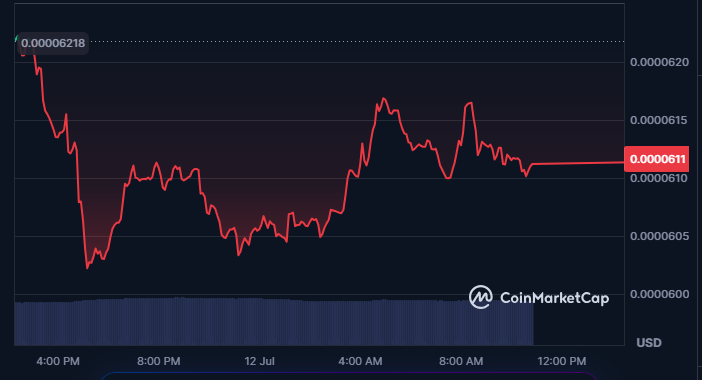
LUNC remains available on numerous major cryptocurrency exchanges and trading platforms. The token continues to maintain significant trading volume despite its historical challenges.
The price of LUNC is influenced by several factors:
- Overall cryptocurrency market conditions
- Community governance decisions
- Token burn programs
- Ecosystem development progress
- Investor sentiment
- Regulatory developments
Because of its history, LUNC is often considered a highly speculative cryptocurrency. Price volatility remains significantly higher than many established digital assets.
Advantages of Terra Classic
Strong Community Support
One of Terra Classic’s greatest strengths is its active and committed community, which continues to drive development and governance decisions.
Established Blockchain Infrastructure
The network already possesses a functioning blockchain ecosystem with validators, staking mechanisms, and decentralized applications.
Deflationary Initiatives
Ongoing token-burning programs aim to reduce supply and improve long-term token economics.
Exchange Availability
LUNC remains listed on multiple major exchanges, ensuring accessibility and liquidity for traders and investors.
Risks and Challenges
Despite its strengths, Terra Classic faces several important challenges.
Historical Reputation
The 2022 collapse significantly damaged investor confidence and remains a major factor affecting market perception.
Massive Token Supply
Even with ongoing burns, the circulating supply remains extremely large, making significant price appreciation difficult.
Market Competition
Terra Classic competes against thousands of blockchain projects offering innovative technologies and use cases.
Regulatory Uncertainty
Like many cryptocurrencies, Terra Classic faces potential regulatory risks that could impact adoption and trading activity.
Future Outlook
The future of Terra Classic depends heavily on continued community participation, ecosystem development, and successful implementation of supply-reduction strategies.
Supporters believe that ongoing burns, governance improvements, and infrastructure upgrades could strengthen the network over time. However, critics argue that the challenges created by the 2022 collapse remain significant obstacles to long-term growth.
As a result, Terra Classic continues to be viewed as a high-risk, high-volatility cryptocurrency that may appeal primarily to speculative investors and community supporters.
Conclusion
Terra Luna Classic (LUNC) represents one of the most remarkable recovery stories in cryptocurrency history. Although the project experienced a devastating collapse in 2022, the original blockchain continues operating through community governance and ongoing development efforts.
Through staking, governance participation, validator support, and token-burning initiatives, Terra Classic has maintained relevance within the broader crypto ecosystem. While substantial challenges remain, the project’s dedicated community and continued ecosystem activity demonstrate the resilience of decentralized blockchain networks.
