

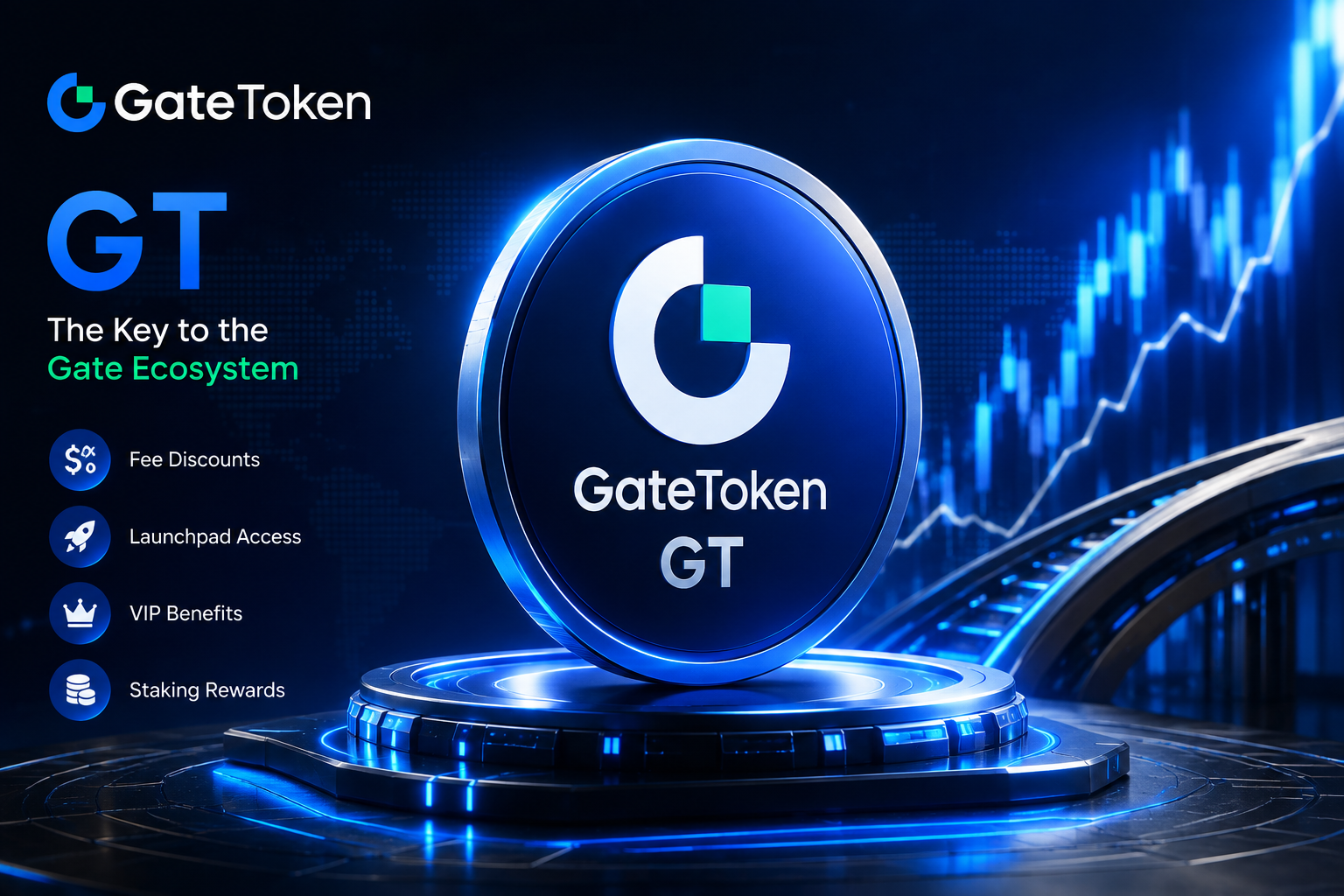

GateToken (GT) is the native utility token of the GateChain ecosystem and serves as a core component of the broader Gate.io platform. As the cryptocurrency industry continues to expand, exchange-based utility tokens have become increasingly important because they provide users with benefits such as reduced trading fees, staking rewards, governance participation, and ecosystem access. GateToken is one of the leading exchange-related digital assets, powering both the GateChain blockchain and various services within the Gate ecosystem.
GT was created to support the development of a secure blockchain infrastructure focused on digital asset protection while simultaneously offering utility within the Gate.io exchange environment. Over time, the token has evolved beyond a simple exchange asset and now plays a significant role in blockchain operations, decentralized applications, and network governance.
What Is GateToken (GT)?
GateToken (GT) is the native cryptocurrency of GateChain, a public blockchain developed to enhance digital asset security and decentralized financial services. GT functions as both a utility and governance token, allowing holders to participate in the ecosystem while benefiting from various platform incentives.
The token is widely used for:
- Paying transaction fees on GateChain
- Staking and validator participation
- Governance voting
- Accessing exclusive platform features
- Receiving trading fee discounts
- Participating in ecosystem events and token launches
These utilities make GT an important asset for users actively involved in the Gate ecosystem.
The History of GateChain and GT
GateChain was developed by the team behind Gate.io, one of the world’s established cryptocurrency exchanges. The blockchain project was launched with a primary focus on solving security challenges within the digital asset industry. Unlike many traditional blockchains, GateChain incorporates specialized asset recovery mechanisms and advanced account protection features.
GT officially became the native token of the ecosystem in 2020. Since then, it has been integrated across various services, including decentralized applications, staking programs, wallets, and exchange products. The token’s utility has expanded significantly as the ecosystem has grown.
How GateToken Works
GateToken operates on the GateChain blockchain, which utilizes a Proof-of-Stake (PoS) consensus mechanism. Under this system, users can stake their GT tokens to help secure the network and validate transactions. In return, validators receive rewards generated from network activities and transaction fees.
The PoS model offers several benefits:
Enhanced Security
Validators have a financial incentive to maintain network integrity, reducing the likelihood of malicious activity.
Energy Efficiency
Compared to Proof-of-Work systems, PoS consumes significantly less energy while maintaining strong network security.
Scalability
The GateChain architecture is designed to support high transaction throughput while maintaining reliability and low fees.
Key Features of GateToken
1. Transaction Fee Payments
GT is used to pay transaction fees across the GateChain network. This utility creates continuous demand as blockchain activity grows.
2. Staking Rewards
Users can stake GT to support network operations and earn passive rewards. This encourages long-term participation within the ecosystem.
3. Governance Participation
GT holders may participate in ecosystem governance initiatives, allowing the community to influence future developments.
4. Exchange Benefits
On the Gate.io platform, GT holders receive benefits such as trading fee reductions, VIP privileges, and access to exclusive promotions and token launches.
5. Asset Security Features
GateChain emphasizes digital asset safety through innovative account protection and recovery mechanisms, differentiating it from many competing blockchain projects.
GT Tokenomics
Tokenomics play an important role in determining the long-term sustainability of any cryptocurrency.
According to market data:
| Metric | Value |
|---|---|
| Token Symbol | GT |
| Blockchain | GateChain |
| Consensus | Proof-of-Stake |
| Circulating Supply | Approximately 106.5 Million GT |
| Total Supply | Approximately 140 Million GT |
| Maximum Supply | Approximately 142.6 Million GT |
These figures may change over time as the ecosystem evolves.
Burn Mechanism and Scarcity
One of the most notable aspects of GateToken is its token-burning strategy. Token burns permanently remove coins from circulation, helping reduce supply over time.
The Gate ecosystem has implemented periodic burn mechanisms that aim to enhance scarcity and potentially support long-term value appreciation. Industry analyses highlight that a substantial portion of the original token supply has already been removed from circulation through these initiatives.
A decreasing supply combined with ecosystem growth can contribute to stronger token economics over the long term.
Current Market Performance
GateToken remains among the more established exchange-related cryptocurrencies in the market.
Recent market statistics show:
- Market capitalization approaching $700 million
- Daily trading volume exceeding $2 million
- Strong liquidity across multiple exchanges
- Consistent ranking among major cryptocurrency assets
Market conditions change continuously, so investors should always review the latest data before making decisions.
Advantages of GateToken
Strong Ecosystem Integration
GT is deeply integrated into both GateChain and the Gate.io platform, creating multiple sources of utility.
Security-Focused Blockchain
GateChain’s emphasis on asset protection helps distinguish it from many competing networks.
Staking Opportunities
Users can generate passive income through validator participation and staking programs.
Deflationary Model
Regular token burns reduce circulating supply and support long-term scarcity.
Potential Risks
Like all cryptocurrencies, GateToken carries certain risks:
Market Volatility
Cryptocurrency prices can experience significant fluctuations.
Exchange Dependency
A portion of GT’s value proposition is linked to the continued growth and adoption of the Gate ecosystem.
Regulatory Uncertainty
Global cryptocurrency regulations continue to evolve and may affect market conditions.
Future Outlook
The future of GateToken largely depends on the continued growth of GateChain, expanding blockchain adoption, and increasing ecosystem utility. As decentralized finance, Web3 applications, and blockchain infrastructure continue to develop, GT may benefit from broader ecosystem participation.
Recent ecosystem developments have also highlighted efforts to expand Gate’s blockchain infrastructure and strengthen GT’s role within the network. These initiatives may contribute to long-term ecosystem growth if adoption continues.
Conclusion
GateToken (GT) has evolved from an exchange utility token into a comprehensive ecosystem asset supporting blockchain security, staking, governance, and decentralized applications. As the native token of GateChain, GT plays a critical role in maintaining network operations while providing users with valuable platform benefits.
Its combination of Proof-of-Stake security, ecosystem utility, token-burning mechanisms, and exchange integration makes it one of the more established exchange-related cryptocurrencies in the market. While investors should always conduct their own research and understand the risks involved, GateToken remains an important project within the broader cryptocurrency landscape.
