



The Optimism ecosystem has entered a new chapter following a major governance decision that has sparked widespread discussion across the crypto community. The Ethereum Layer-2 scaling network recently approved a proposal to re-designate 546.9 million OP tokens that were previously reserved for future user airdrops. Instead of being distributed through additional airdrop campaigns, these tokens will now be allocated to a newly created Strategic Ecosystem Fund designed to accelerate the growth of OP Mainnet and OP Enterprise initiatives.
This move represents one of the most significant token allocation changes in Optimism’s history. The 546.9 million OP tokens account for approximately 12.7% of the total OP supply and are valued at tens of millions of dollars. The proposal was approved through governance voting and reflects Optimism’s evolving strategy from broad user acquisition toward institutional adoption, ecosystem partnerships, and long-term network expansion.
For OP holders, developers, investors, and community members, the decision raises several important questions. Will this affect token value? Are future airdrops canceled? How will the Strategic Ecosystem Fund be used? And what does it mean for the future of the Optimism network?
This article explores the implications of Optimism’s latest governance decision and explains what token holders should know moving forward.
Optimism and the OP Token
Optimism is one of the leading Ethereum Layer-2 scaling solutions, designed to improve transaction speed and reduce costs while maintaining Ethereum’s security. Through its Optimistic Rollup technology, Optimism processes transactions off-chain before settling them on Ethereum, allowing users to enjoy faster and cheaper transactions.
The OP token serves several purposes within the ecosystem. It powers governance decisions, incentivizes participation, and supports ecosystem growth. Token holders can vote on proposals that influence the future direction of the network, making governance a critical component of the Optimism Collective.
Since its launch, Optimism has distributed millions of OP tokens through various airdrops intended to reward early adopters, contributors, and ecosystem participants. These distributions helped establish a strong community and attracted users to the network.
Why Optimism Originally Reserved Tokens for Airdrops
Airdrops have long been a popular strategy in the cryptocurrency industry. They help blockchain projects reward loyal users, increase awareness, and encourage adoption.
Optimism initially allocated a significant portion of its token supply to future airdrops. The goal was to attract users, encourage ecosystem participation, and create a decentralized community of stakeholders.
Over five completed airdrop rounds, Optimism distributed approximately 269.1 million OP tokens to users. These campaigns rewarded contributors, governance participants, and active network users. According to Optimism’s leadership, the airdrop strategy was highly valuable during the project’s early growth phase.
However, as the ecosystem matured, the Foundation began evaluating whether large-scale airdrops remained the most effective use of its remaining token reserves.
The 546.9 Million OP Re-Designation Explained
The recently approved governance proposal creates a new category known as the Strategic Ecosystem Fund. Under this proposal, the remaining 546.9 million OP tokens previously allocated for future user airdrops are being transferred into this new fund.
Importantly, this decision does not affect any OP tokens that were already distributed in previous airdrops. Users who received tokens through Airdrops #1 through #5 retain full ownership of their allocations. The change only impacts undistributed tokens that remained reserved for future campaigns.
According to the proposal, the Strategic Ecosystem Fund will support several growth initiatives, including expanding OP Mainnet adoption, supporting institutional partnerships, encouraging liquidity growth, and accelerating deployment of the OP Stack ecosystem.
This reflects a strategic shift in how Optimism plans to allocate resources over the coming years.
Why Optimism Is Changing Its Strategy
The Shift From User Growth to Ecosystem Expansion
In its proposal, the Optimism Foundation explained that broad-based user acquisition through airdrops was more appropriate during the network’s early development stages. Today, the organization believes its priorities have evolved toward enterprise adoption, infrastructure expansion, and institutional onboarding.
Optimism now aims to position itself as a foundational blockchain infrastructure provider. Rather than focusing primarily on attracting individual users through token giveaways, the network seeks to support large-scale adoption through partnerships, applications, protocols, and enterprise solutions.
This strategy aligns with broader trends in the blockchain industry, where many projects are shifting from speculative growth models toward sustainable ecosystem development.
The Rise of OP Enterprise
A major factor behind this decision is the emergence of OP Enterprise. Optimism has increasingly focused on offering blockchain infrastructure solutions for financial institutions, payment providers, exchanges, and large organizations. The Foundation argues that supporting these initiatives requires flexible access to token resources.
The Strategic Ecosystem Fund provides Optimism with additional resources to negotiate partnerships, incentivize adoption, and strengthen its competitive position in the rapidly growing Layer-2 market.
How the Strategic Ecosystem Fund Will Be Used
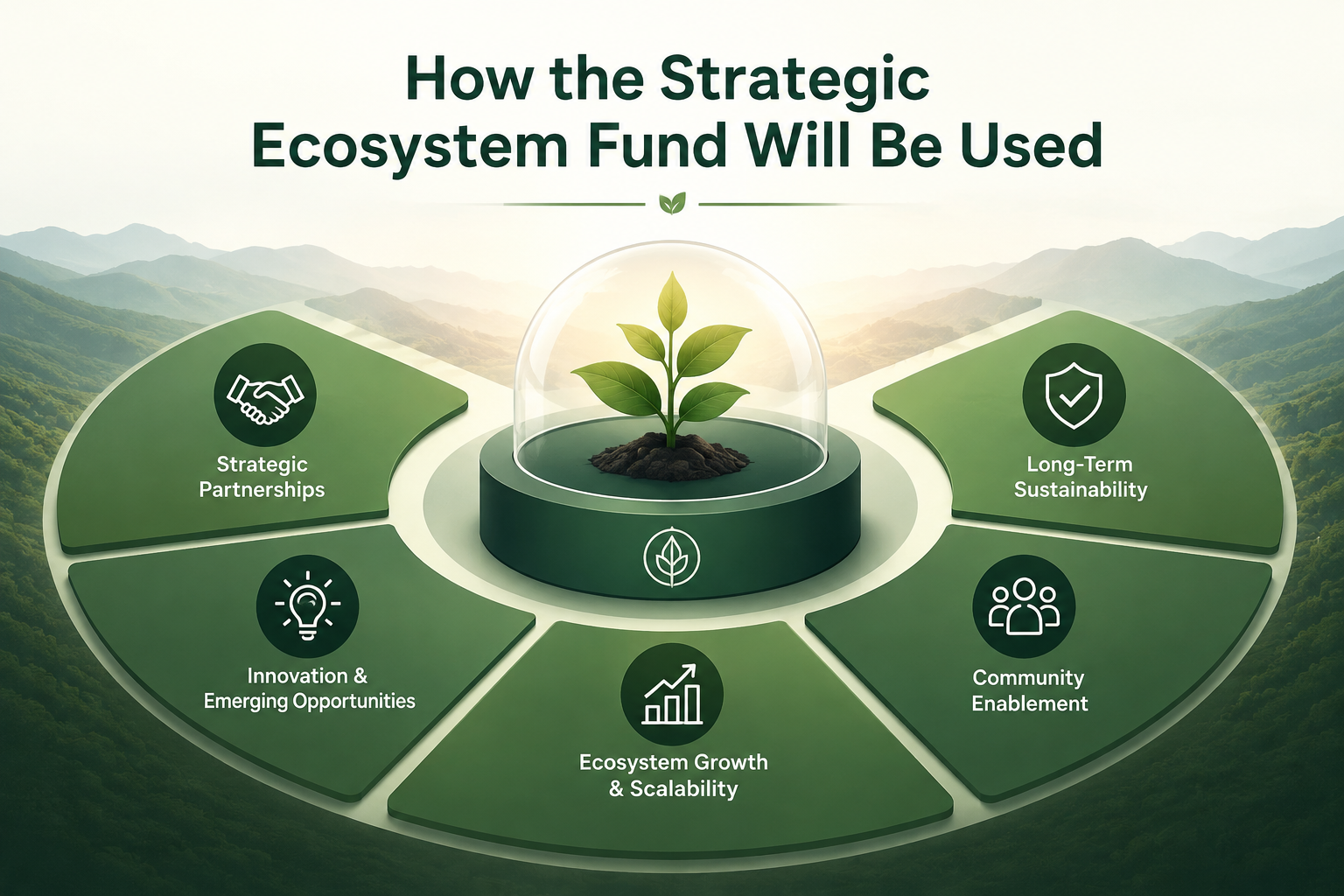
The newly established fund is expected to support a wide range of initiatives across the Optimism ecosystem.
One key objective is attracting new protocols and blockchain projects to build on the OP Stack. The OP Stack has already become a widely adopted framework for launching scalable blockchain networks.
Another focus area involves liquidity incentives. By encouraging greater liquidity on OP Mainnet, Optimism hopes to strengthen decentralized finance applications and improve the user experience.
The fund may also be used to support strategic partnerships with major institutions, infrastructure providers, and technology companies. Such partnerships could increase network adoption and strengthen the long-term utility of the OP ecosystem.
In essence, the Strategic Ecosystem Fund acts as a growth engine designed to accelerate Optimism’s next phase of development.
Community Reactions to the Proposal
The governance proposal generated intense debate among community members.
Supporters argue that reallocating unused airdrop tokens is a practical decision. They believe that ecosystem growth initiatives will create more sustainable value than additional token distributions. From their perspective, deploying OP tokens strategically can help attract developers, institutions, and new users while strengthening the network’s competitive position.
Critics, however, expressed concerns about governance transparency and accountability. Some community members argued that the tokens were originally intended for users and that changing their purpose alters expectations established during the project’s early years. Others called for more detailed reporting regarding how the funds will be deployed.
The debate highlights the challenges blockchain projects face when balancing decentralization, community expectations, and strategic growth objectives.
What Does This Mean for Current OP Holders?
No Immediate Impact on Existing Tokens
For current OP holders, the most important point is that the re-designation does not affect tokens already in circulation.
If you currently own OP tokens, your holdings remain unchanged. The proposal does not involve token confiscation, supply reduction, or modifications to existing balances. Previously distributed airdrop tokens are also unaffected.
Potential Long-Term Effects on Token Value
While current balances remain intact, the long-term impact on token value is more complex.
If the Strategic Ecosystem Fund successfully attracts partnerships, developers, institutions, and users, increased adoption could strengthen demand for OP tokens over time. A larger and more active ecosystem often contributes to stronger network effects and greater utility.
On the other hand, some investors worry about future token deployment from the fund. Because the 546.9 million OP tokens remain part of the total supply, future distributions could influence market dynamics depending on how they are allocated and released.
As with any governance decision, outcomes will depend largely on execution.
Governance and Voting Controversies
The proposal’s approval attracted attention due to the voting process itself.
Reports indicate that a late vote from a major delegate significantly influenced the outcome. The decisive vote shifted the proposal from likely rejection to approval in the final minutes of the voting period. This development sparked debate regarding governance participation and the influence of large stakeholders within decentralized ecosystems.
The controversy underscores an ongoing challenge across decentralized governance systems: balancing stakeholder influence while maintaining community trust.
For many observers, the event serves as a reminder that governance participation remains critical for token holders who wish to shape the future of blockchain networks.
How This Decision Could Shape Optimism’s Future
The success of the Strategic Ecosystem Fund will ultimately determine whether this governance decision benefits the ecosystem.
If Optimism can leverage these resources effectively, it could strengthen its position among leading Layer-2 networks, expand blockchain adoption, attract institutional partnerships, and increase activity across OP Mainnet.
The OP Stack ecosystem continues to grow, with multiple networks building on Optimism’s technology. Strategic investments could further expand this ecosystem and create new revenue opportunities for the collective.
However, transparency and accountability will remain essential. Community members will likely expect regular reporting regarding fund deployments, partnership outcomes, and ecosystem growth metrics.
The coming years will reveal whether reallocating airdrop reserves into strategic growth initiatives delivers stronger results than continued token distributions.
Conclusion
Optimism’s decision to re-designate 546.9 million OP tokens from the user airdrop allocation to a Strategic Ecosystem Fund marks a significant strategic shift. Rather than focusing on future large-scale airdrops, the network is prioritizing ecosystem expansion, institutional partnerships, liquidity growth, and enterprise adoption.
As Optimism continues evolving from a user-acquisition-focused project into a major blockchain infrastructure platform, this decision could become one of the most important milestones in its development. Investors, developers, and community members should closely monitor how these newly allocated resources are deployed in the months and years ahead.
