


Dash (DASH) is one of the oldest and most recognized cryptocurrencies in the blockchain industry. Created in 2014, Dash was designed to function as digital cash, offering fast, low-cost, and user-friendly transactions for everyday payments. While Bitcoin introduced the concept of decentralized money, Dash sought to improve the payment experience through faster confirmations, enhanced privacy features, and a unique governance system.
Over the years, Dash has evolved from a simple cryptocurrency into a comprehensive blockchain ecosystem that includes decentralized governance, incentivized network participants, and innovative payment technologies. The project remains focused on making cryptocurrency practical for real-world use while maintaining decentralization and security.
What Is Dash (DASH)?
Dash is an open-source blockchain and cryptocurrency that focuses on providing a fast, affordable, and decentralized global payment network. The name “Dash” comes from the phrase Digital Cash, reflecting its goal of becoming a practical alternative to traditional payment methods.
The project launched in January 2014 as a fork of Litecoin and was initially known as XCoin. It was later renamed Darkcoin before adopting the name Dash in 2015 to emphasize its payment-focused mission. Since then, Dash has grown into one of the most established blockchain networks in the cryptocurrency sector.
History of Dash
Dash was created by software developer Evan Duffield, who wanted to address some of Bitcoin’s limitations. The cryptocurrency officially launched on January 18, 2014.
The project’s development timeline includes:
XCoin (2014)
Dash began as XCoin, focusing on improving transaction privacy and speed.
Darkcoin (2014–2015)
The project was rebranded as Darkcoin to emphasize privacy-related features.
Dash (2015–Present)
To appeal to a broader audience and highlight its role as digital cash, the project adopted the name Dash in March 2015. This rebranding helped position Dash as a mainstream payment cryptocurrency rather than solely a privacy-focused asset.
How Dash Works
Dash operates on a blockchain similar to Bitcoin but introduces several unique features that improve usability and scalability.
Two-Tier Network Structure
One of Dash’s most innovative features is its two-tier network architecture.
First Layer: Miners
The first layer consists of miners who secure the blockchain using Proof-of-Work (PoW) consensus. Dash uses the X11 hashing algorithm, which combines multiple cryptographic functions for enhanced security.
Second Layer: Masternodes
The second layer consists of masternodes, specialized servers that provide advanced network services. These masternodes help power features such as:
- InstantSend
- ChainLocks
- Governance voting
- Treasury funding
- Enhanced privacy features
This dual-layer structure allows Dash to process transactions more efficiently than many traditional blockchain networks.
Key Features of Dash
InstantSend
InstantSend allows transactions to be confirmed within seconds instead of waiting for multiple block confirmations. This makes Dash suitable for retail purchases and point-of-sale payments.
Users can send funds quickly, making the payment experience similar to using a debit card or mobile payment app.
ChainLocks
ChainLocks enhance network security by protecting the blockchain against 51% attacks. Through masternode consensus, transactions achieve near-instant finality, increasing confidence in the network’s integrity.
Privacy Features
Dash historically offered privacy-focused transaction options through PrivateSend, allowing users to enhance transaction privacy. The project has continued developing privacy technologies while adapting to evolving regulatory environments.
Low Transaction Fees
Dash transactions generally cost significantly less than traditional international payment methods, making the cryptocurrency attractive for remittances and everyday purchases.
Dash Masternodes
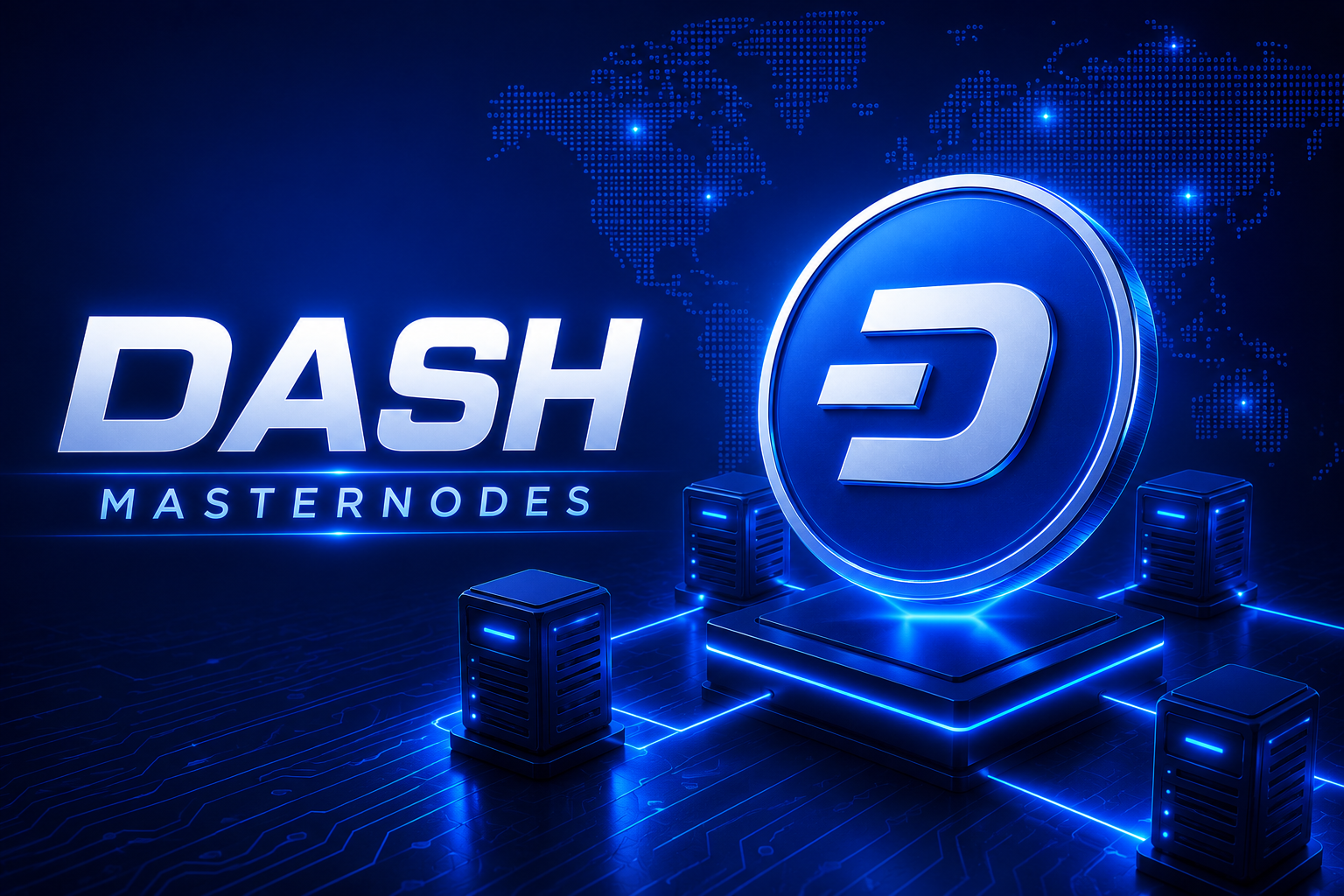
Masternodes are a critical component of the Dash ecosystem.
To operate a masternode, participants must lock a specific amount of DASH as collateral. In return, they help secure the network and receive a portion of block rewards.
Benefits of masternodes include:
- Voting rights
- Network governance participation
- Passive income opportunities
- Support for advanced network functions
This incentive structure encourages long-term participation and strengthens network decentralization.
Dash Governance System
Dash is widely recognized for pioneering decentralized governance in cryptocurrency.
Unlike many blockchain projects that rely on centralized foundations, Dash allows masternode operators to vote on proposals related to:
- Development funding
- Marketing initiatives
- Community projects
- Network upgrades
A portion of block rewards is allocated to a treasury fund, which finances approved proposals. This self-funding model has made Dash one of the earliest successful decentralized autonomous organizations (DAOs).
Dash Use Cases
Digital Payments
Dash was designed primarily for payments. Its fast confirmation times and low fees make it suitable for:
- Online shopping
- Retail purchases
- Cross-border payments
- Peer-to-peer transfers
Remittances
Individuals sending money internationally can benefit from Dash’s low transaction costs and quick settlement times.
Merchant Adoption
Businesses can integrate Dash payments to reduce transaction fees compared to traditional payment processors.
Web3 Applications
Recent developments in Dash Platform have expanded the network’s capabilities for decentralized applications and Web3 services.
Advantages of Dash
Fast Transactions
InstantSend enables near-instant payments, improving the user experience.
Decentralized Governance
Dash’s voting system allows the community to influence project direction.
Strong Security
Features like ChainLocks provide additional protection against attacks.
Self-Funding Treasury
The treasury system supports long-term sustainability without relying on external investors.
Established Reputation
Since launching in 2014, Dash has survived multiple market cycles and remains one of the longest-running cryptocurrency projects.
Challenges Facing Dash
Despite its strengths, Dash faces several challenges:
Competition
The cryptocurrency market now includes thousands of projects offering payment solutions.
Regulatory Scrutiny
Privacy-related features have attracted attention from regulators in some jurisdictions.
Market Volatility
Like all cryptocurrencies, DASH experiences significant price fluctuations.
Adoption Challenges
Mass adoption requires continued merchant integration and user education.
Dash’s Future Outlook
Dash continues to evolve through ongoing technical improvements and ecosystem development. The project is expanding beyond simple payments toward broader Web3 functionality while maintaining its original mission of providing efficient digital cash.
Community discussions and development updates indicate continued focus on scalability, user experience, decentralized services, and enhanced privacy technologies. The introduction of Dash Platform and additional network upgrades demonstrates the project’s commitment to long-term innovation.
As cryptocurrency adoption grows worldwide, Dash remains positioned as a practical payment-focused blockchain with a proven track record and dedicated community.
Conclusion
Dash (DASH) is a pioneering cryptocurrency that combines fast transactions, low fees, decentralized governance, and innovative network architecture. Since its launch in 2014, it has established itself as a leading digital cash solution and one of the cryptocurrency industry’s earliest successful DAOs.
Through technologies such as InstantSend, ChainLocks, masternodes, and treasury-based governance, Dash offers unique advantages that differentiate it from many competitors. While challenges remain, the project’s commitment to usability, decentralization, and continuous development ensures that Dash remains an important player in the evolving blockchain ecosystem.
