

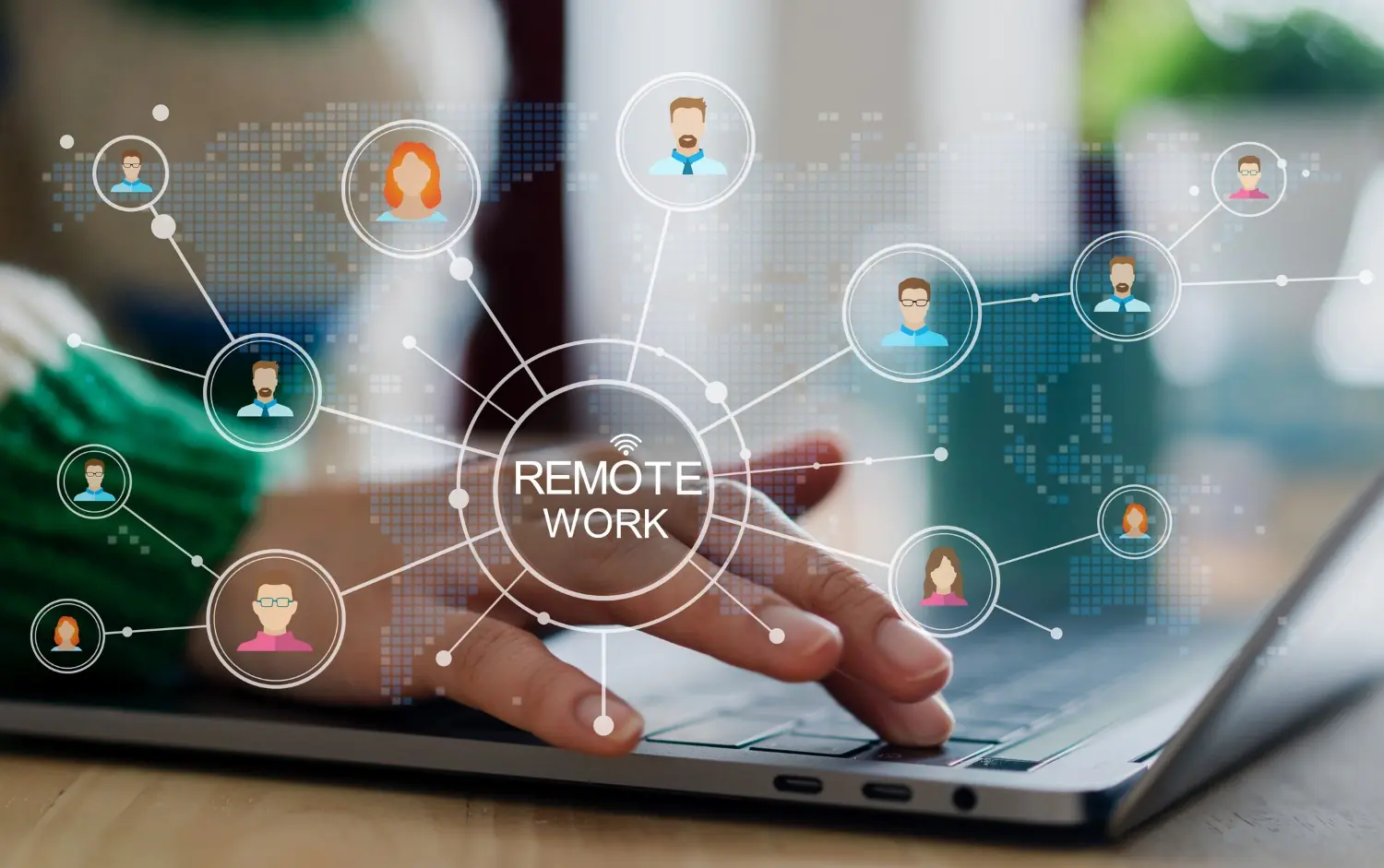

The shift toward remote work has changed the way millions of people approach their careers, and with that change has come a new set of challenges. Working from a home office, a spare bedroom, or even a kitchen table sounds appealing on paper, but the reality often includes distractions, blurred boundaries between personal and professional life, and a constant struggle to stay motivated without the structure of a traditional office. Remote work productivity has become one of the most searched topics among professionals, freelancers, and business owners alike, because everyone wants to know how to get more done in less time while still protecting their mental health and personal relationships.
The Remote Work Landscape
Why Remote Work Requires a Different Mindset
Working from home is not simply an office job transplanted into a living room. It requires a fundamentally different mindset because the usual social cues, physical boundaries, and structured routines of a traditional workplace disappear. In an office, colleagues, meetings, and a manager’s presence naturally create accountability. At home, that accountability has to come from within, which is why many people initially struggle even if they were high performers in a conventional setting. Recognizing this shift is the first step toward improving remote work productivity, because it forces individuals to intentionally design habits rather than relying on an external environment to keep them on track.
The Rise of Hybrid and Fully Remote Teams
Over the past several years, companies across nearly every industry have adopted hybrid or fully remote models, and this trend shows no sign of reversing. Businesses have realized that flexible work arrangements can reduce overhead costs while giving employees greater autonomy over their schedules. However, this flexibility comes with a tradeoff: without deliberate systems in place, productivity can quietly decline. Understanding this broader shift helps workers and managers alike appreciate why building strong remote habits is not just a personal preference but a professional necessity in today’s economy.
Creating a Productive Home Workspace
Designating a Dedicated Work Area
One of the most effective ways to boost remote work productivity is to establish a specific, consistent area used only for work. This does not have to be an elaborate home office; even a corner of a room with a desk and proper lighting can serve the purpose. The key is consistency, because the brain begins to associate that physical space with focus and output once it is used repeatedly for work-related tasks. Mixing work and leisure spaces, such as working from bed or the couch, tends to erode concentration and makes it harder to mentally “clock out” at the end of the day.
Minimizing Distractions and Noise
Distractions are one of the biggest threats to focus for anyone working outside a traditional office. Background noise, notifications from personal devices, and household interruptions can fragment attention and reduce the quality of work produced. Simple solutions such as noise-canceling headphones, silencing non-essential phone notifications, and communicating boundaries with family members or roommates during work hours can dramatically improve concentration. Creating an environment that supports deep focus is essential for anyone serious about improving their output while working remotely.
Time Management Strategies for Remote Workers
The Power of Structured Daily Routines
A structured routine is one of the most underrated tools for improving remote work productivity. Waking up at a consistent time, following a predictable morning routine, and starting work at the same hour each day helps regulate the body’s internal clock and signals to the brain that it is time to focus. Without this structure, it becomes easy to fall into inconsistent patterns that reduce both efficiency and motivation over time. Many successful remote professionals credit their consistent routines as the single biggest factor behind their sustained performance.
Time Blocking and Prioritization Techniques
Time blocking is a method where specific chunks of the day are assigned to particular tasks, rather than working from an open-ended to-do list. This technique reduces decision fatigue and helps prevent the common trap of multitasking, which research consistently shows reduces overall efficiency. Pairing time blocking with prioritization frameworks, such as tackling the most important task first thing in the morning, ensures that high-value work gets completed even on busy or distraction-filled days. This approach also helps remote workers avoid the trap of spending hours on low-priority tasks simply because they feel urgent in the moment.
Taking Advantage of Natural Energy Cycles
Every person has natural periods of high and low energy throughout the day, often referred to as ultradian rhythms. Identifying when your focus and creativity peak, whether that is early morning or late afternoon, allows you to schedule your most demanding tasks during those windows. Lower-energy periods can then be reserved for administrative work, emails, or simple tasks that do not require intense concentration. Aligning your schedule with your natural energy cycles, rather than fighting against them, is a subtle but powerful way to enhance remote work productivity.
Overcoming Common Remote Work Challenge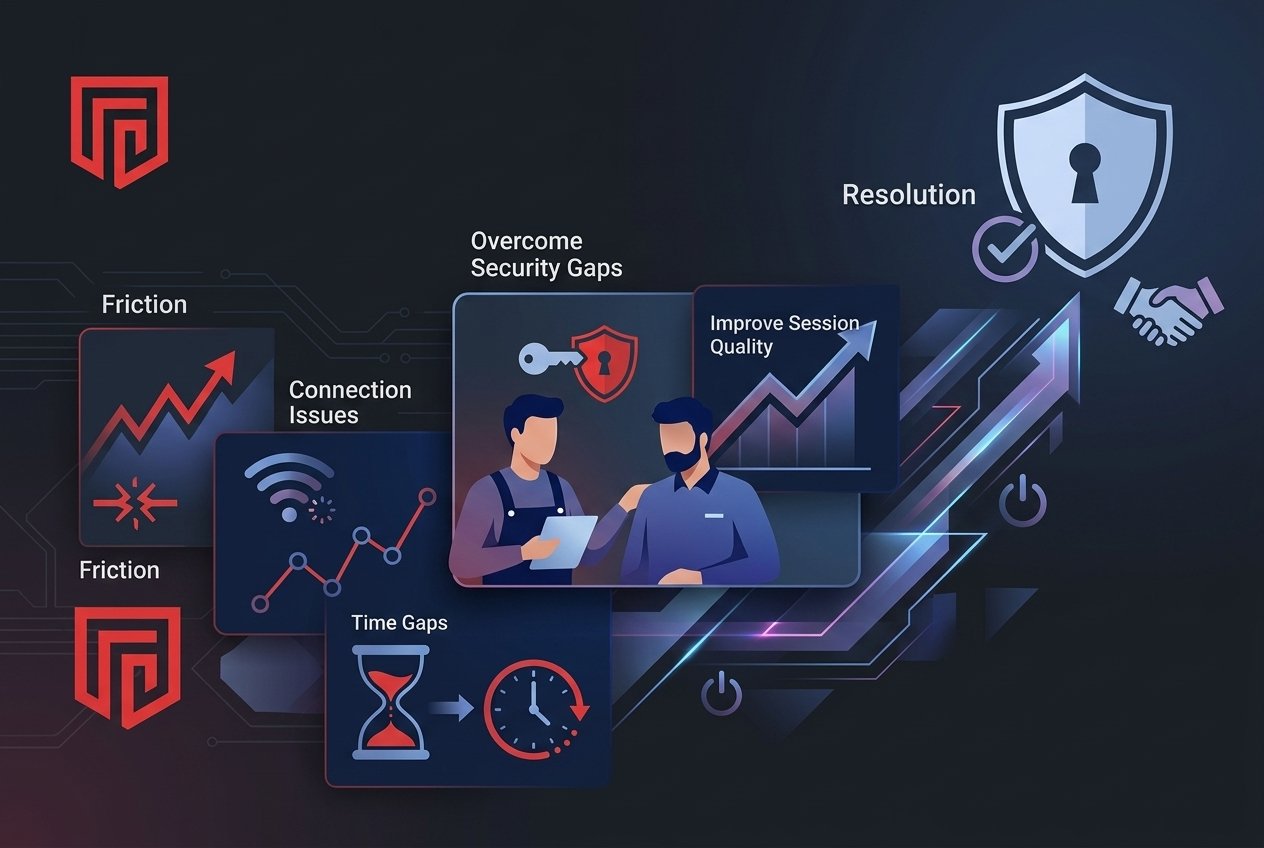 Combating Isolation and Loneliness
One of the less discussed but significant challenges of remote work is the sense of isolation that can develop over time. Without the casual social interactions that happen naturally in an office, remote workers can start to feel disconnected from colleagues and even from a broader sense of purpose. Scheduling regular video calls, participating in virtual team activities, or simply reaching out to coworkers for non-work conversations can help maintain a sense of community. Addressing loneliness directly, rather than ignoring it, protects both mental health and long-term motivation.
Avoiding Burnout in a Home Environment
Ironically, remote workers often struggle more with overworking than underworking. Because the boundary between home and office no longer exists physically, many people find themselves working longer hours, skipping breaks, or checking emails late into the evening. This pattern leads to burnout, which ultimately harms productivity far more than the occasional slow day. Setting firm start and stop times, taking regular breaks throughout the day, and fully disconnecting after work hours are essential practices for maintaining sustainable output over the long term.
Managing Communication with Remote Teams
Clear communication becomes even more critical when a team is not physically together. Misunderstandings that might be resolved with a quick hallway conversation in an office can turn into lengthy email chains or missed deadlines when working remotely. Establishing clear expectations around response times, using collaborative tools effectively, and over-communicating rather than under-communicating helps prevent confusion and keeps projects moving smoothly. Strong communication habits are a cornerstone of any successful remote work culture.
Tools and Technology That Support Productivity
Choosing the Right Digital Tools
The right combination of digital tools can make a significant difference in how efficiently remote work gets done. Project management platforms, communication apps, and time-tracking software all serve different purposes, and selecting tools that match your specific workflow prevents the common problem of tool overload, where too many disconnected apps create more confusion than clarity. Rather than adopting every popular tool available, it is more effective to choose a handful of reliable platforms and use them consistently.
The Role of Automation in Reducing Repetitive Work
Automation has become an increasingly valuable ally for remote professionals looking to reclaim time spent on repetitive tasks. Automating routine processes such as scheduling, invoicing, or data entry frees up mental energy for higher-value work that actually requires human judgment and creativity. Even small automations, like email templates or calendar scheduling links, can save meaningful amounts of time over the course of a week, contributing directly to improved remote work productivity.
Building Long-Term Habits for Sustainable Success
Setting Realistic Goals and Tracking Progress
Sustainable productivity is not built through short bursts of intense effort but through consistent, realistic goal-setting over time. Breaking larger projects into smaller, measurable milestones makes progress feel tangible and keeps motivation high, even during long-term projects. Regularly reviewing what has been accomplished, rather than only focusing on what remains, reinforces positive momentum and helps remote workers stay committed to their goals.
Prioritizing Physical and Mental Wellbeing
Remote workers who intentionally build wellbeing practices into their daily routine, such as short walks between tasks or mindful breaks away from screens, often report higher satisfaction and better long-term output than those who neglect these areas in favor of constant work.
Conclusion
Remote work productivity is not the result of a single trick or shortcut, but rather the cumulative effect of intentional habits, thoughtful environment design, and a genuine commitment to balancing output with wellbeing. From creating a dedicated workspace to managing energy cycles, combating isolation, and leveraging the right tools, every strategy discussed in this article plays a role in building a sustainable and effective remote work routine.
The professionals and teams who thrive in remote settings are rarely those with the most rigid schedules or the most advanced software; they are the ones who understand themselves well enough to design systems that actually work for their unique circumstances. By applying even a few of these strategies consistently, remote workers can experience meaningful improvements in both their output and their overall quality of life.
Frequently Asked Questions
How can I stay motivated while working remotely without direct supervision?
Motivation often comes from having clear goals and a structured routine rather than relying on external oversight. Setting daily priorities, tracking small wins, and maintaining a consistent schedule can help sustain motivation even without a manager checking in regularly.
What is the biggest mistake people make when working from home?
One of the most common mistakes is failing to separate work time from personal time, which often leads to either constant distractions or chronic overworking. Establishing clear boundaries around work hours helps prevent both extremes.
How many breaks should I take during a remote workday?
Most productivity research suggests taking a short break every sixty to ninety minutes to maintain focus and avoid mental fatigue. These breaks do not need to be long; even five to ten minutes away from the screen can significantly restore concentration.
Can remote work actually be more productive than working in an office?
For many people, yes, because remote work eliminates commute time and reduces certain office distractions. However, this benefit only materializes when strong personal habits and boundaries are in place to prevent the unique challenges remote work introduces.
What tools are essential for improving remote work productivity?
While specific tools vary by profession, most remote workers benefit from a reliable project management platform, a clear communication tool, and some form of time-tracking or calendar system to structure their day effectively.
