


Artificial Intelligence (AI) has become one of the most transformative technologies of the modern era. However, the AI industry remains largely controlled by a handful of powerful corporations that possess the computing resources, datasets, and infrastructure required to develop advanced models. Bittensor (TAO) aims to change this landscape by introducing a decentralized network where AI development, training, and monetization can occur in an open and permissionless environment.
Bittensor is a blockchain-powered machine learning protocol that enables participants worldwide to contribute intelligence, computational resources, and innovation while earning rewards through its native cryptocurrency, TAO. By combining blockchain technology with artificial intelligence, Bittensor creates a peer-to-peer marketplace for machine intelligence, allowing contributors to collaborate and compete in a transparent ecosystem.
As decentralized AI gains momentum, Bittensor has emerged as one of the most prominent projects in the sector. Its unique approach to incentivizing AI development has attracted developers, investors, and researchers who believe in the democratization of artificial intelligence. This article explores how Bittensor works, the role of the TAO token, its ecosystem, advantages, challenges, and future potential.
What Is Bittensor?
Bittensor is an open-source decentralized machine learning network that allows AI models to collaborate and compete while being rewarded for the value they contribute. Unlike traditional AI systems controlled by centralized entities, Bittensor distributes ownership and governance across a global network of participants.
The project’s vision is to create an open marketplace where machine intelligence becomes a tradable digital commodity. Instead of relying on a single organization to develop and control AI technologies, Bittensor enables anyone with computational resources and expertise to participate in the ecosystem. Contributors earn rewards in TAO tokens based on the quality and usefulness of their outputs.
At its core, Bittensor combines blockchain security, decentralized governance, and machine learning incentives to create a self-sustaining AI economy.
The Vision Behind Bittensor
The primary objective of Bittensor is to decentralize artificial intelligence and prevent its concentration within a few corporations. The network seeks to establish an environment where innovation can flourish without permission barriers or centralized oversight.
Traditional AI development often requires massive funding, proprietary datasets, and expensive computing infrastructure. As a result, only large organizations can effectively compete in the space. Bittensor challenges this model by creating a distributed marketplace where intelligence can be produced, evaluated, and monetized by anyone globally.
This decentralized approach encourages broader participation, faster innovation, and more equitable access to AI technologies.
How Bittensor Works
The Decentralized AI Network
Bittensor operates as a peer-to-peer machine learning network. Participants contribute AI models, computational resources, and validation services to improve the network’s overall intelligence. The system evaluates contributions and distributes rewards accordingly.
The network consists of several key participants:
Miners
Miners are responsible for providing machine learning outputs and computational resources. They generate valuable responses and contribute intelligence to the network. The better their performance, the greater their TAO rewards.
Validators
Validators assess the quality of outputs generated by miners. Their role is to ensure accuracy, reliability, and usefulness across the network. Validators help maintain fairness and determine reward allocation.
Subnets
Subnets are specialized sections within the Bittensor ecosystem dedicated to specific AI tasks. These subnets can focus on language models, data processing, prediction systems, image generation, and other AI-related functions. They allow the network to scale efficiently while supporting diverse applications.
The Role of TAO Token
TAO is the native cryptocurrency that powers the Bittensor ecosystem. It serves multiple purposes, including incentives, staking, governance, and access to AI services.
Users can earn TAO by:
- Running miners
- Operating validators
- Participating in subnet activities
- Staking within the network
TAO also enables users to access AI resources and participate in governance decisions affecting the network’s future.
TAO Tokenomics
One of the most interesting aspects of Bittensor is its tokenomics structure. TAO follows a supply model similar to Bitcoin, featuring a maximum supply of 21 million tokens. This scarcity mechanism is designed to preserve long-term value while incentivizing participation.
According to CoinMarketCap, Bittensor currently has a circulating supply exceeding 11 million TAO tokens and maintains a multi-billion-dollar market capitalization, making it one of the leading AI-focused cryptocurrencies.
The network continuously emits new TAO rewards based on contributor performance, encouraging ongoing development and innovation.
Why Bittensor Is Different
Decentralized AI Ownership
Unlike conventional AI companies that maintain exclusive ownership of models and infrastructure, Bittensor distributes ownership among network participants. This creates a more democratic and accessible AI ecosystem.
Open Participation
Anyone can contribute to Bittensor without requiring approval from a centralized authority. This permissionless structure encourages global collaboration and innovation.
Economic Incentives
Bittensor directly rewards valuable contributions through TAO emissions. Contributors receive compensation based on the informational value they provide, creating strong incentives for continuous improvement.
Transparency
Because the network is built on blockchain technology, all transactions and reward mechanisms are transparent and verifiable. This helps build trust among participants.
The Importance of Subnets
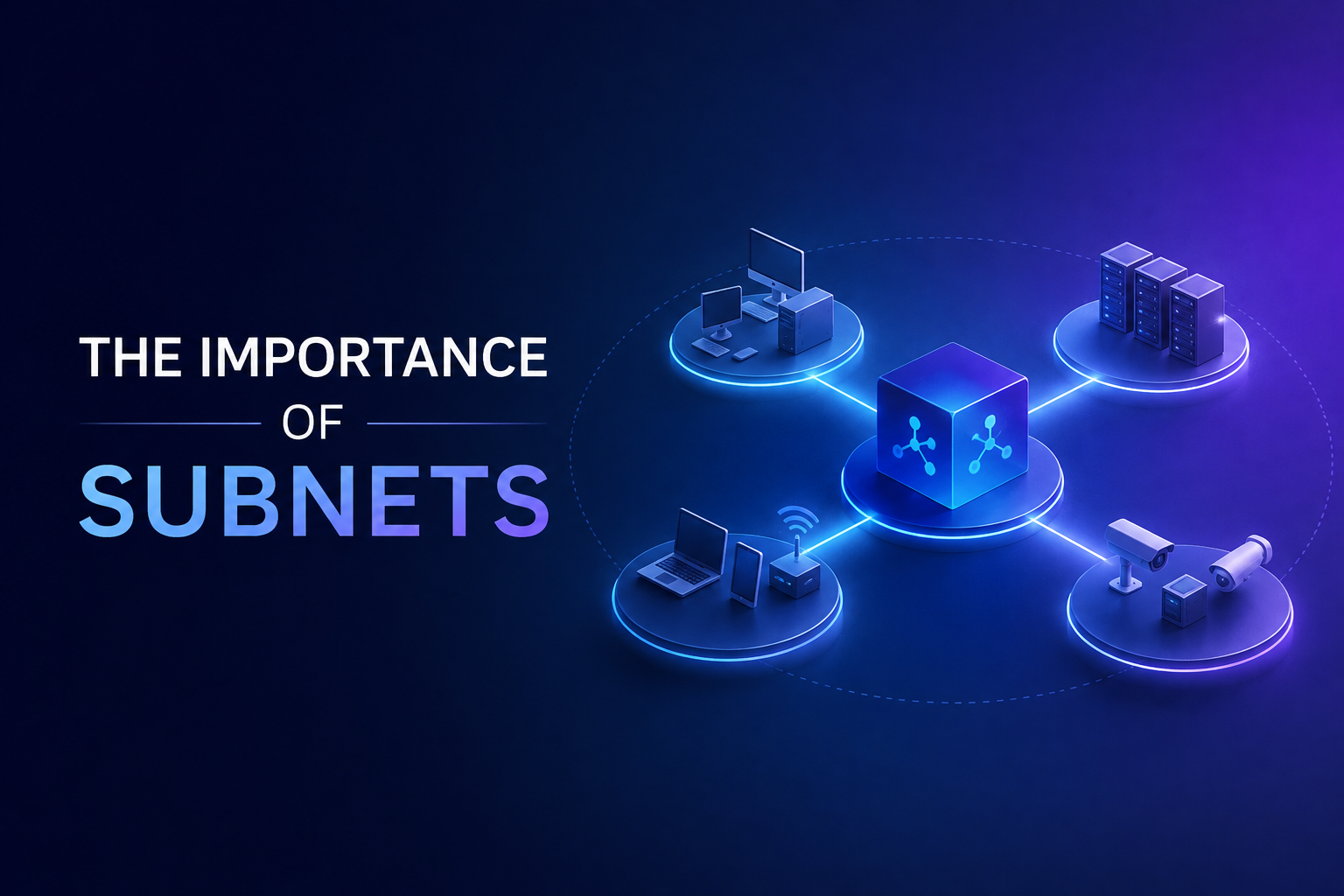
Subnets have become a major component of Bittensor’s growth strategy. Each subnet functions as a specialized marketplace focused on a particular AI domain.
Instead of forcing all AI activities into a single framework, Bittensor allows developers to build custom subnet ecosystems that address unique challenges. This modular architecture improves scalability and encourages experimentation.
As more subnets emerge, the overall network becomes increasingly valuable because specialized intelligence can be interconnected and shared across the ecosystem.
Academic Foundations of Bittensor
Bittensor’s architecture is supported by extensive research into decentralized machine intelligence. The project’s academic paper, “Incentivizing Intelligence,” introduces a framework where machine intelligence is evaluated by other intelligent systems rather than centralized benchmarks.
This innovative model creates a dynamic marketplace where AI systems continuously assess and reward valuable contributions. The approach aims to encourage the development of useful intelligence rather than optimizing solely for predefined benchmarks.
The result is a more adaptive and efficient ecosystem capable of evolving alongside technological advancements.
Advantages of Bittensor
Bittensor offers several notable advantages:
First, it democratizes AI development by reducing barriers to entry. Individuals and small teams can participate without needing the resources of major technology companies.
Second, it creates new economic opportunities for developers, researchers, and infrastructure providers through the TAO reward system.
Third, its decentralized structure reduces single points of failure and minimizes the risks associated with centralized control.
Finally, the subnet model enables scalable innovation across multiple AI sectors simultaneously.
Challenges Facing Bittensor
Despite its potential, Bittensor faces several challenges.
The complexity of decentralized AI systems can create a steep learning curve for newcomers. Understanding mining, validation, staking, and subnet participation requires technical knowledge.
Competition is another factor. Numerous blockchain and AI projects are attempting to establish themselves in the rapidly growing decentralized AI market.
Regulatory uncertainty may also affect the broader cryptocurrency and AI sectors in the coming years.
Additionally, maintaining network quality and preventing manipulation remain ongoing challenges for any decentralized marketplace.
The Future of Bittensor
The future of Bittensor appears closely tied to the growing demand for decentralized AI infrastructure. As artificial intelligence becomes increasingly important across industries, the need for open and collaborative development frameworks is likely to expand.
Recent developments such as subnet growth and protocol upgrades demonstrate the project’s commitment to scalability and innovation. The ecosystem continues to attract developers seeking alternatives to centralized AI platforms.
If Bittensor successfully executes its vision, it could become a foundational layer for decentralized machine intelligence, providing a marketplace where AI resources are produced, exchanged, and monetized globally.
Conclusion
Bittensor represents one of the most ambitious attempts to combine blockchain technology with artificial intelligence. By creating a decentralized marketplace for machine intelligence, the network enables contributors worldwide to participate in AI development while earning rewards through TAO.
Its innovative architecture, subnet ecosystem, and Bitcoin-inspired tokenomics position it as a unique player in the rapidly evolving AI and cryptocurrency sectors. While challenges remain, Bittensor’s commitment to decentralization, transparency, and open participation offers a compelling vision for the future of artificial intelligence.
