



The cryptocurrency industry continues to evolve at an extraordinary pace, and one of the most significant developments in recent months has been Robinhood’s expansion into blockchain infrastructure. The popular trading platform has moved beyond simply offering cryptocurrency trading services and has entered the rapidly growing world of blockchain networks and tokenized assets. This strategic shift has attracted considerable attention from investors, developers, and crypto enthusiasts alike.
Robinhood’s new crypto network has quickly become a major topic of discussion across the digital asset ecosystem. Reports indicate that the network has generated substantial trading activity, creating new revenue opportunities while increasing demand for the underlying infrastructure that powers the system. As a result, Arbitrum, one of Ethereum’s leading Layer 2 scaling solutions, has emerged as one of the biggest beneficiaries of Robinhood’s blockchain ambitions. Recent market activity has shown that growing adoption of Robinhood’s network is helping drive significant momentum for the ARB token.
The relationship between Robinhood and Arbitrum highlights a broader trend within the crypto industry: major financial platforms are increasingly embracing blockchain technology to improve efficiency, reduce costs, and expand access to financial markets. This article explores why Robinhood’s new crypto network is attracting attention, how it is benefiting Arbitrum, and what this could mean for the future of decentralized finance and tokenized assets.
Robinhood’s New Crypto Network
Robinhood’s blockchain initiative represents a major evolution of its business model. Traditionally known as a commission-free trading platform for stocks and cryptocurrencies, Robinhood has now launched its own Layer 2 blockchain infrastructure designed to support financial services and tokenized real-world assets. The network aims to bring traditional financial products onto blockchain rails while maintaining a user-friendly experience for retail investors.
The new network is built using Arbitrum’s technology stack, allowing Robinhood to leverage Ethereum’s security while benefiting from faster transactions and lower fees. This approach enables the platform to process large volumes of activity without the congestion and high transaction costs commonly associated with Ethereum’s main network.
By creating its own blockchain infrastructure, Robinhood is positioning itself as more than just a brokerage platform. It is becoming an important participant in the growing tokenized finance, digital asset ecosystem, and blockchain infrastructure sectors.
Why Robinhood’s Network Is Generating Massive Revenue
One of the biggest reasons analysts are excited about Robinhood’s crypto network is its revenue potential. Blockchain networks generate income through transaction fees, settlement services, asset issuance, and various on-chain activities. As trading volume increases, revenue opportunities expand significantly.
According to industry reports, Robinhood’s blockchain experienced hundreds of millions of dollars in trading volume shortly after launch. Such activity demonstrates strong market demand for tokenized financial products and blockchain-based trading systems. Analysts have projected that the network could generate substantial annual revenue if adoption continues at its current pace.
The network benefits from several powerful growth drivers. First, Robinhood already has millions of users who can easily access blockchain-based services through a familiar interface. Second, the company is integrating tokenized stocks and other digital assets into its ecosystem. Third, the platform is building infrastructure that allows users to participate in a broader range of financial activities without leaving the Robinhood environment.
This combination of accessibility, innovation, and existing customer relationships creates a strong foundation for continued growth.
The Strategic Role of Arbitrum
What Is Arbitrum?
Arbitrum is a leading Ethereum Layer 2 scaling solution designed to improve transaction speed and reduce costs while maintaining Ethereum’s security model. Layer 2 networks process transactions more efficiently than Ethereum’s base layer, making them attractive for applications that require high throughput and low fees.
Arbitrum has established itself as one of the most widely used Layer 2 ecosystems in the cryptocurrency market. Its technology supports decentralized applications, financial services, gaming projects, and enterprise blockchain solutions.
Why Robinhood Chose Arbitrum
Robinhood’s decision to build on Arbitrum was not accidental. The network offers scalability, developer flexibility, and compatibility with Ethereum’s extensive ecosystem. These advantages make Arbitrum an ideal foundation for a platform seeking to bring traditional financial assets on-chain.
Because Robinhood’s blockchain uses Arbitrum technology, increased activity on Robinhood’s network naturally benefits the broader Arbitrum ecosystem. This relationship creates a powerful feedback loop where growth on one platform supports growth on the other.
How Robinhood’s Success Is Sending ARB Higher
The ARB token serves as a key component of the Arbitrum ecosystem. Investors often view increasing adoption and transaction activity as positive indicators for the long-term value of blockchain networks.
When Robinhood’s crypto network began recording strong trading volumes, market participants quickly recognized the implications for Arbitrum. Reports showed that ARB became one of the strongest-performing major cryptocurrencies during periods of heightened Robinhood network activity. The connection between the two projects became increasingly apparent as investors anticipated future growth and revenue-sharing opportunities within the ecosystem.
Growing transaction volume suggests increasing demand for Arbitrum-powered infrastructure. As more users interact with Robinhood’s blockchain services, the underlying technology gains greater visibility and utility. This can strengthen investor confidence and contribute to higher valuations for ecosystem-related assets such as ARB.
The Rise of Tokenized Assets
A New Era for Financial Markets
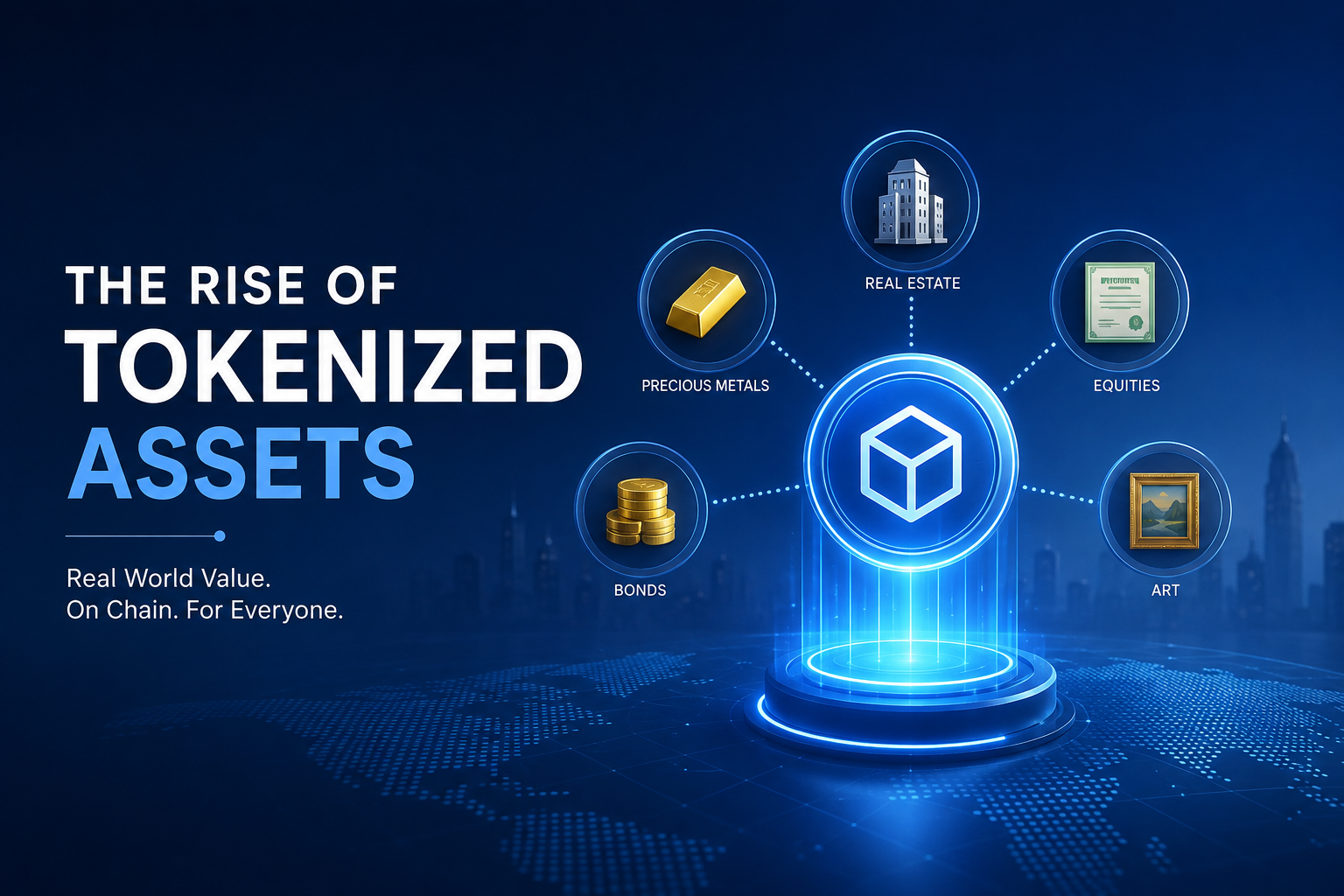
One of the most exciting aspects of Robinhood’s strategy is its focus on tokenized assets. Tokenization involves converting traditional financial assets into blockchain-based tokens that can be traded digitally.
Tokenized stocks, ETFs, bonds, and other financial instruments offer several potential advantages. These include faster settlement times, lower operational costs, increased accessibility, and the possibility of around-the-clock trading. Industry leaders increasingly view tokenization as one of the most transformative developments in modern finance.
Robinhood’s network is specifically designed to support this vision, making it a key player in the transition toward blockchain-powered financial markets.
Why Tokenization Matters for Arbitrum
As tokenized assets become more popular, demand for scalable blockchain infrastructure will increase. Arbitrum is well-positioned to capture this growth because its technology enables efficient processing of large transaction volumes.
Robinhood’s adoption of Arbitrum technology effectively serves as a real-world validation of the network’s capabilities. Every new tokenized asset, user account, and transaction contributes to the broader adoption narrative surrounding Arbitrum and its ecosystem.
The Impact on Ethereum’s Layer 2 Ecosystem
The success of Robinhood’s blockchain initiative extends beyond a single company or token. It represents an important milestone for the entire Ethereum Layer 2 ecosystem.
For years, blockchain advocates argued that Layer 2 solutions would play a crucial role in mainstream adoption. Robinhood’s network provides a practical example of how major financial companies can leverage Layer 2 technology to build scalable and user-friendly services.
The increased visibility generated by Robinhood may encourage other financial institutions to explore similar strategies. This could lead to additional investment, innovation, and competition within the Layer 2 sector, benefiting projects such as Arbitrum and the broader Ethereum ecosystem.
Investor Sentiment and Market Reactions
Market sentiment surrounding Robinhood’s blockchain strategy has been largely positive. Investors recognize that the company is positioning itself at the intersection of traditional finance and decentralized technology.
The strong performance of ARB reflects growing confidence in Arbitrum’s ability to support large-scale financial applications. At the same time, Robinhood’s network demonstrates that blockchain technology can move beyond speculative trading and deliver practical financial infrastructure.
This combination of innovation and utility is particularly attractive to institutional investors seeking exposure to long-term blockchain growth trends.
The market’s reaction highlights an important principle within cryptocurrency investing: infrastructure projects often benefit significantly when real-world adoption accelerates. In this case, Robinhood’s expansion is providing exactly the kind of adoption catalyst that investors look for when evaluating blockchain ecosystems.
Potential Challenges Ahead
Despite the excitement surrounding Robinhood’s crypto network, several challenges remain.
Regulatory uncertainty continues to be one of the biggest concerns for blockchain-based financial services. Governments and financial regulators around the world are still developing frameworks for tokenized assets and digital securities. Changes in regulations could influence the pace of adoption and market growth.
Competition is another factor to consider. Numerous Layer 2 solutions and blockchain platforms are competing for market share. While Arbitrum currently enjoys a strong position, maintaining leadership will require ongoing innovation and ecosystem development.
Security also remains a critical priority. As blockchain networks handle larger volumes of assets and transactions, they become increasingly attractive targets for cyber threats. Robust security measures will be essential for sustaining user trust and institutional participation.
Future Outlook for Robinhood and Arbitrum
Looking ahead, the partnership between Robinhood’s blockchain ambitions and Arbitrum’s infrastructure appears highly promising.
Robinhood has demonstrated a willingness to invest heavily in blockchain technology and tokenized finance. If the company continues expanding its product offerings, user adoption could accelerate significantly. The introduction of additional tokenized assets, decentralized financial tools, and blockchain-based services may create even greater demand for the network.
For Arbitrum, Robinhood’s success serves as a powerful endorsement of its technology. Increased transaction volume, developer activity, and institutional interest could strengthen the network’s position as a leading Layer 2 platform.
As blockchain adoption continues expanding, both companies stand to benefit from the growing convergence of traditional finance and decentralized technology.
Conclusion
Robinhood’s new crypto network is emerging as one of the most important developments in the digital asset industry. By building a Layer 2 blockchain powered by Arbitrum technology, Robinhood is creating a bridge between traditional finance and the blockchain economy. Early trading volumes and adoption metrics suggest that the strategy is generating significant momentum and revenue opportunities.
For Arbitrum, the benefits are equally significant. Increased activity on Robinhood’s network is driving greater visibility, utility, and investor confidence across the ecosystem. This has contributed to strong performance for the ARB token and reinforced Arbitrum’s position as a leading blockchain infrastructure provider.
